
Coal storage fire protection involves a combination of storage best practices, such as keeping coal dry and away from ignition sources, and engineered systems, including temperature monitoring with thermal cameras, water mist systems, dry chemical systems, or foam-based suppression for active fires. Additionally, dust control and ventilation are crucial for preventing dust explosions, while manual fire extinguishers and hoses provide immediate response capabilities. Storage Management & Prevention Dry Storage: Keep coal away from damp conditions to prevent mold and degradation, which can contribute to spontaneous combustion. Segregation: Store coal away from heat sources, flammable materials, and open flames to reduce accidental ignition. Minimize Duration: Store coal for the shortest possible duration to reduce the risk of self-heating. Dust Control: Minimize coal dust generation through dust suppression systems and ensure dust does not accumulate on surfaces where it can ignite. Ventilation: Provide adequate ventilation in storage areas to disperse coal dust and prevent heat build-up. Equipment Maintenance: Regularly inspect electrical equipment and machinery for faults that could cause overheating. Monitoring & Detection Temperature Monitoring: Utilize thermal cameras and temperature sensors to detect hot spots, which are early signs of spontaneous combustion. Conveyor Belt Monitoring: Install sensors to monitor conveyor belts for friction or overheating, indicating potential equipment failures. Suppression & Extinguishing Systems Water Mist/Fog Systems: Effective for suppressing dust and cooling coal piles to prevent spontaneous combustion. Foam Systems: Used to smother surface fires in coal bunkers and storage areas. Carbon Dioxide (CO2) Systems: Ideal for enclosed spaces like coal mills, where they suffocate fires by displacing oxygen. Dry Chemical Systems: Can be used in specific areas where water or foam is not suitable. Gels: A composite gel made of gelatinizer, loess/fly ash, and water can be applied to coal to form a seal and prevent fires. Emergency Preparedness Hydrant Systems: Install hydrant systems for effective outside firefighting. Manual Equipment: Keep handheld fire extinguishers, fire hoses, and fire blankets strategically placed in high-risk areas. Access for Firefighting: Ensure clear access to coal piles for firefighting operations. #safelincs, #safelincsindia, #fire, #fireprotection , #firesprinkler, #firedetection, #FAS


This is your website preview.
Currently it only shows your basic business info. Start adding relevant business details such as description, images and products or services to gain your customers attention by using Boost 360 android app / iOS App / web portal.
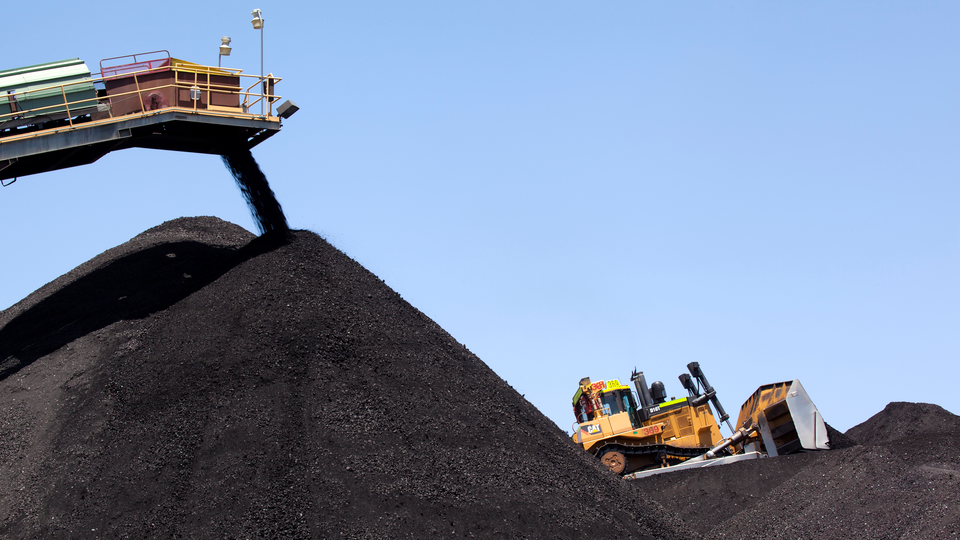
Coal Storage Fire Protection
2025-09-22T05:40:41
Coal storage fire protection involves a combination of storage best practices, such as keeping coal dry and away from ignition sources, and engineered systems, including temperature monitoring with thermal cameras, water mist systems, dry chemical systems, or foam-based suppression for active fires. Additionally, dust control and ventilation are crucial for preventing dust explosions, while manual fire extinguishers and hoses provide immediate response capabilities. Storage Management & Prevention Dry Storage: Keep coal away from damp conditions to prevent mold and degradation, which can contribute to spontaneous combustion. Segregation: Store coal away from heat sources, flammable materials, and open flames to reduce accidental ignition. Minimize Duration: Store coal for the shortest possible duration to reduce the risk of self-heating. Dust Control: Minimize coal dust generation through dust suppression systems and ensure dust does not accumulate on surfaces where it can ignite. Ventilation: Provide adequate ventilation in storage areas to disperse coal dust and prevent heat build-up. Equipment Maintenance: Regularly inspect electrical equipment and machinery for faults that could cause overheating. Monitoring & Detection Temperature Monitoring: Utilize thermal cameras and temperature sensors to detect hot spots, which are early signs of spontaneous combustion. Conveyor Belt Monitoring: Install sensors to monitor conveyor belts for friction or overheating, indicating potential equipment failures. Suppression & Extinguishing Systems Water Mist/Fog Systems: Effective for suppressing dust and cooling coal piles to prevent spontaneous combustion. Foam Systems: Used to smother surface fires in coal bunkers and storage areas. Carbon Dioxide (CO2) Systems: Ideal for enclosed spaces like coal mills, where they suffocate fires by displacing oxygen. Dry Chemical Systems: Can be used in specific areas where water or foam is not suitable. Gels: A composite gel made of gelatinizer, loess/fly ash, and water can be applied to coal to form a seal and prevent fires. Emergency Preparedness Hydrant Systems: Install hydrant systems for effective outside firefighting. Manual Equipment: Keep handheld fire extinguishers, fire hoses, and fire blankets strategically placed in high-risk areas. Access for Firefighting: Ensure clear access to coal piles for firefighting operations. #safelincs, #safelincsindia, #fire, #fireprotection , #firesprinkler, #firedetection, #FAS
2025-09-22T05:40:41


Submit Your Enquiry