
A comprehensive fire protection plan for cable tunnels combines passive, active, and administrative measures to mitigate fire risks and protect critical infrastructure. Cable tunnels present a unique fire hazard because of their high fuel load from cable insulation, confined space, and potential for rapid fire spread. Passive fire protection Passive measures are built into the tunnel's structure to contain a fire and slow its spread. Compartmentalization: Fire partitions are installed at specific intervals and at air circulation zones to divide the tunnel into smaller compartments. These partitions use fire-resistant materials like concrete or gypsum and can provide a fire rating of two to three hours. Firestopping: The openings where cable trays penetrate fire-rated walls must be properly sealed with firestopping materials, such as intumescent sealants or mortar. This prevents fire and smoke from traveling between compartments. Fire-rated cables and coatings: Fire-resistant (FR) cables: Special cables that are inherently fire-resistant, often made with low-smoke, halogen-free materials, can maintain functionality during a fire. Fire-retardant coatings: Fireproof paints or coatings can be applied to existing cables, particularly around joints and penetrations, to inhibit fire from spreading along the cable's outer jacket. Protective wrapping: Fire-retardant tapes can be wrapped around cable bundles as an additional layer of protection. Active fire protection Active systems are designed to detect fires and automatically suppress them. Linear Heat Detection Cable (LHDC): This is a highly effective, robust, and reliable fire detection method for cable tunnels. The system uses a cable that is sensitive to heat, often installed above and below cable trays. It provides rapid detection of overheating and identifies the precise location of a potential fire. #safelincsindia, #safelincs, #firehydrant, #fire, #firesprinklers, #FAS, #Firealarm, #cabletunnel, Water mist systems: In industrial settings, fire suppression systems are often required by insurance companies. Water mist systems are a highly effective option for tunnels because they use very fine water sprays that absorb heat, cool the air, and suppress smoke. They use significantly less water than traditional sprinklers, which is beneficial for tunnels with limited drainage. Intelligent monitoring: Advanced systems can integrate AI and sensors to monitor real-time data on temperature, smoke, and airflow. AI algorithms can analyze this data to predict fire risks, and some systems can even deploy firefighting robots. Ventilation systems: Automated ventilation is crucial for managing smoke and controlling airflow in the event of a fire, which improves visibility for firefighters. Administrative controls These are procedural and operational measures that help prevent and manage fires. Access control: Limiting access to tunnels and controlling activities such as welding or using open flames is critical to preventing ignition. Housekeeping: A clean environment free of dust and debris is essential. Thick layers of dust on cables can increase the fire load and contribute to uncontrollable fires. Regular inspections: Systems must be regularly inspected and maintained to ensure fireproofing, coatings, and all detection and suppression systems are functional. Emergency planning: Developing and practicing emergency response procedures for tunnel fires is vital for a coordinated and effective response. Relevant standards and best practices Guidance for cable tunnel fire protection is provided by various safety standards and codes. NFPA 130: This is a critical standard for fixed guideway transit and passenger rail systems, specifying strict fire safety requirements for cables and other infrastructure to limit fire spread and smoke. IS 12459 (1988): An Indian code of practice that specifies fire safety measures for cable runs, including the use of linear detectors and the need for compartmentalization. FM approval: Certification from independent testing agencies like FM Global ensures that products like fire-retardant coatings meet high standards


This is your website preview.
Currently it only shows your basic business info. Start adding relevant business details such as description, images and products or services to gain your customers attention by using Boost 360 android app / iOS App / web portal.
Cable Tunnel Fire Protection
2025-09-19T10:20:44
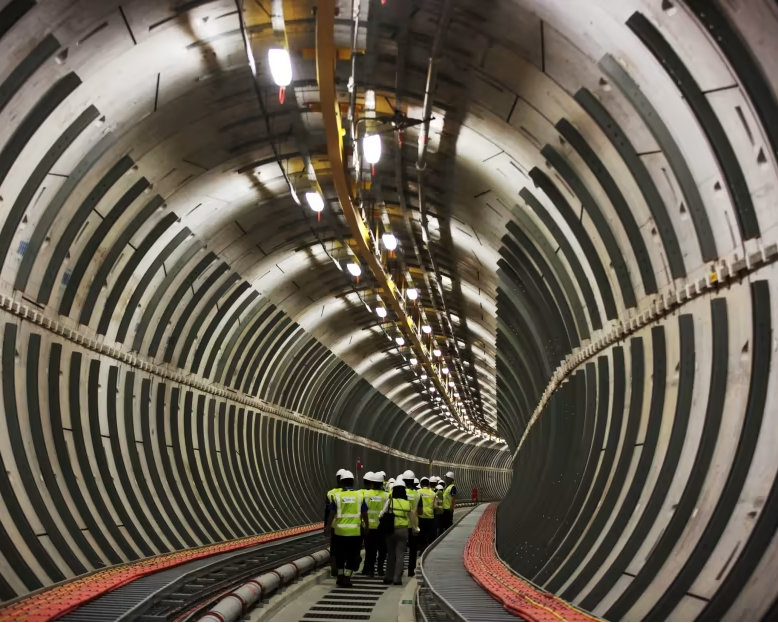
A comprehensive fire protection plan for cable tunnels combines passive, active, and administrative measures to mitigate fire risks and protect critical infrastructure. Cable tunnels present a unique fire hazard because of their high fuel load from cable insulation, confined space, and potential for rapid fire spread. Passive fire protection Passive measures are built into the tunnel's structure to contain a fire and slow its spread. Compartmentalization: Fire partitions are installed at specific intervals and at air circulation zones to divide the tunnel into smaller compartments. These partitions use fire-resistant materials like concrete or gypsum and can provide a fire rating of two to three hours. Firestopping: The openings where cable trays penetrate fire-rated walls must be properly sealed with firestopping materials, such as intumescent sealants or mortar. This prevents fire and smoke from traveling between compartments. Fire-rated cables and coatings: Fire-resistant (FR) cables: Special cables that are inherently fire-resistant, often made with low-smoke, halogen-free materials, can maintain functionality during a fire. Fire-retardant coatings: Fireproof paints or coatings can be applied to existing cables, particularly around joints and penetrations, to inhibit fire from spreading along the cable's outer jacket. Protective wrapping: Fire-retardant tapes can be wrapped around cable bundles as an additional layer of protection. Active fire protection Active systems are designed to detect fires and automatically suppress them. Linear Heat Detection Cable (LHDC): This is a highly effective, robust, and reliable fire detection method for cable tunnels. The system uses a cable that is sensitive to heat, often installed above and below cable trays. It provides rapid detection of overheating and identifies the precise location of a potential fire. #safelincsindia, #safelincs, #firehydrant, #fire, #firesprinklers, #FAS, #Firealarm, #cabletunnel, Water mist systems: In industrial settings, fire suppression systems are often required by insurance companies. Water mist systems are a highly effective option for tunnels because they use very fine water sprays that absorb heat, cool the air, and suppress smoke. They use significantly less water than traditional sprinklers, which is beneficial for tunnels with limited drainage. Intelligent monitoring: Advanced systems can integrate AI and sensors to monitor real-time data on temperature, smoke, and airflow. AI algorithms can analyze this data to predict fire risks, and some systems can even deploy firefighting robots. Ventilation systems: Automated ventilation is crucial for managing smoke and controlling airflow in the event of a fire, which improves visibility for firefighters. Administrative controls These are procedural and operational measures that help prevent and manage fires. Access control: Limiting access to tunnels and controlling activities such as welding or using open flames is critical to preventing ignition. Housekeeping: A clean environment free of dust and debris is essential. Thick layers of dust on cables can increase the fire load and contribute to uncontrollable fires. Regular inspections: Systems must be regularly inspected and maintained to ensure fireproofing, coatings, and all detection and suppression systems are functional. Emergency planning: Developing and practicing emergency response procedures for tunnel fires is vital for a coordinated and effective response. Relevant standards and best practices Guidance for cable tunnel fire protection is provided by various safety standards and codes. NFPA 130: This is a critical standard for fixed guideway transit and passenger rail systems, specifying strict fire safety requirements for cables and other infrastructure to limit fire spread and smoke. IS 12459 (1988): An Indian code of practice that specifies fire safety measures for cable runs, including the use of linear detectors and the need for compartmentalization. FM approval: Certification from independent testing agencies like FM Global ensures that products like fire-retardant coatings meet high standards
2025-09-19T10:20:44


Keywords
- Emergency preparedness for cable tunnel fires
- Fire safety regulations India IS 12459
- Cable tunnel safety standards NFPA 130
- Tunnel ventilation fire control systems
- Water mist fire suppression systems
- Active fire detection systems
- Firestopping in cable tunnels
- Fire-resistant cables and coatings
- Passive fire protection for tunnels
- Cable tunnel fire protection measures
Submit Your Enquiry